
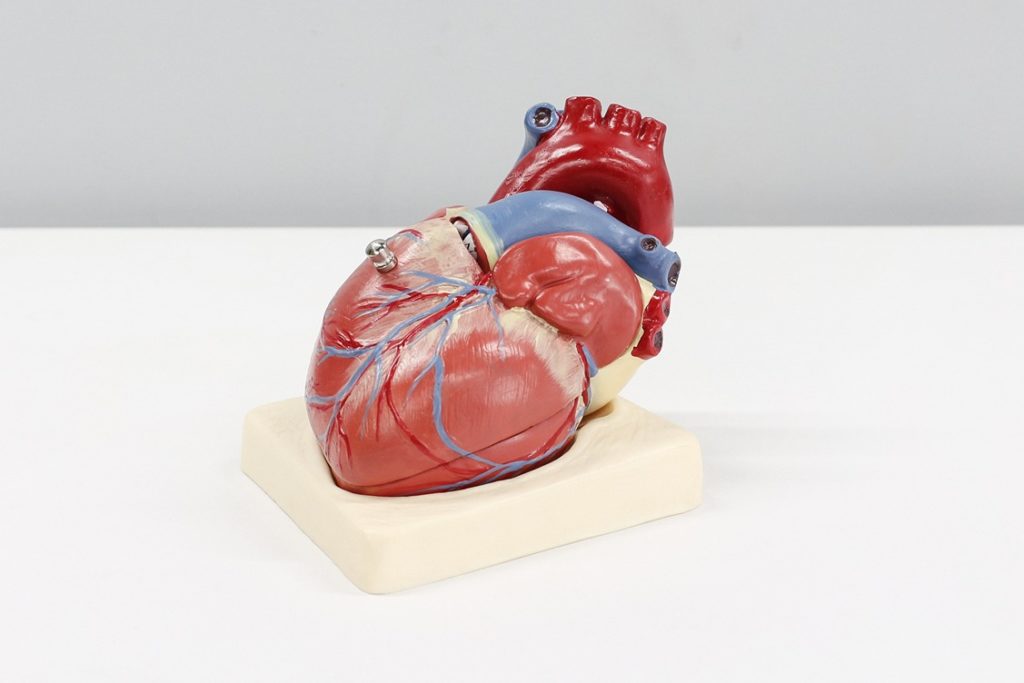
Los infartos y otras afecciones cardiacas son la principal causa de muerte en Estados Unidos. Las afecciones cardiacas son responsables de hasta una de cada cinco muertes al año.
Por término medio, alguien en Estados Unidos sufre un infarto cada cuarenta segundos. Los adultos de 65 años o más son los más susceptibles de sufrir un infarto.
Dado que los infartos son tan frecuentes, los profesionales médicos deberían saber qué buscar para que los pacientes reciban la ayuda que necesitan inmediatamente. Por desgracia, no siempre es así.
Un diagnóstico erróneo de ataque al corazón puede provocar lesiones que cambian la vida e incluso la muerte. Por si fuera poco, los médicos pueden evitar muchos diagnósticos erróneos de infarto siguiendo las normas de atención adecuadas.
Si cree que usted o un ser querido ha sufrido un diagnóstico erróneo de ataque al corazón, póngase en contacto con los abogados especializados en negligencia médica de Poulos & Coates, LLP hoy mismo.
Consecuencias de un diagnóstico erróneo de infarto
Un infarto mal diagnosticado puede acarrear consecuencias nefastas. Entre las lesiones más comunes que se derivan del hecho de que un profesional médico no diagnostique correctamente un infarto de miocardio se incluyen:
- Daño cerebral permanente,
- Daño muscular,
- Cicatrización del corazón,
- Insuficiencia cardíaca,
- Problemas en las válvulas del corazón,
- Depresión y ansiedad, y
- La muerte.
Estas lesiones pueden dar lugar a elevadas facturas médicas, pérdidas de tiempo en el trabajo y una calidad de vida muy reducida para la víctima. Un diagnóstico adecuado del infarto puede evitar fácilmente muchas de las consecuencias.
¿Puedo demandar a mi médico por un diagnóstico erróneo de un ataque al corazón?
En muchos casos, la respuesta a esta pregunta es sí. Los médicos y otros profesionales de la medicina deben ejercer una estricta norma de cuidado cuando tratan con pacientes. Si no cumplen esta norma de cuidado, usted puede hacerles responsables de los daños resultantes.
A menudo, cuando un profesional sanitario no diagnostica un infarto de miocardio a tiempo y con precisión, no ha cumplido con su deber de diligencia. En estos casos, usted debe ser capaz de recuperar los daños y perjuicios por cualquier lesión que sufra.
Los médicos también pueden ser responsables si el diagnóstico erróneo causa la muerte de un familiar directo.
Importes de los acuerdos de las demandas por infarto de miocardio
La cuantía de la indemnización que puede recibir tras un diagnóstico erróneo de infarto depende de la gravedad de la lesión y de cómo afecte a su vida. Los daños recuperables habituales tras un diagnóstico erróneo de infarto incluyen:
- Cuidados de larga duración,
- Discapacidad,
- Facturas médicas,
- Pérdida de salarios,
- Rehabilitación física,
- Pérdida de disfrute,
- Dolor y sufrimiento,
- Los gastos de entierro, y
- Pérdida de compañía.
La mayoría de las demandas por negligencia médica acaban en algún tipo de acuerdo. Las indemnizaciones de las aseguradoras por los infartos mal diagnosticados pueden oscilar entre unos pocos miles y varios millones de dólares.
La razón de esta amplia gama es que el nivel de culpabilidad y la gravedad de las lesiones difieren de un caso a otro.
Un Abogado de Negligencia Médica de Lac Cruces, NM en Poulos & Coates puede ayudar
Si usted o un ser querido ha sufrido un diagnóstico erróneo de ataque al corazón, Poulos & Coates, LLP puede ayudar. Somos uno de los pocos bufetes de abogados con un abogado/médico (JD/MD) trabajando en cada caso de negligencia médica.
También tenemos una enfermera en el personal que puede identificar rápida y eficazmente sus lesiones. Poulos & Coates, LLP tiene un historial probado de entrega para nuestros clientes, y nos preocupamos profundamente por todos y cada uno de ellos. Póngase en contacto con nosotros hoy mismo para saber más sobre cómo podemos ayudarle con su reclamación.
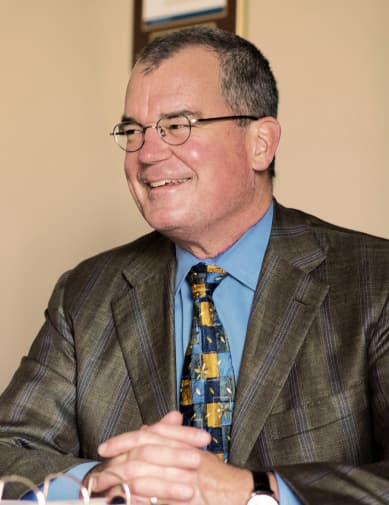
Greig Coates, M.D., J.D.
Durante los últimos treinta años, el Dr. Coates ha representado con éxito a los demandantes en todos los tipos imaginables de demandas por negligencia médica, desde casos de un solo médico hasta complejos litigios que implican a más de una docena de médicos y varios hospitales. El Dr. Coates ha tomado varios miles de declaraciones de médicos a lo largo de su carrera, incluyendo todas las especialidades y subespecialidades médicas conocidas, y casi el mismo número de declaraciones de personal hospitalario, como enfermeras, técnicos y administradores. Ha llevado varias docenas de casos a veredictos exitosos.
Valora este post

 Cargando...