
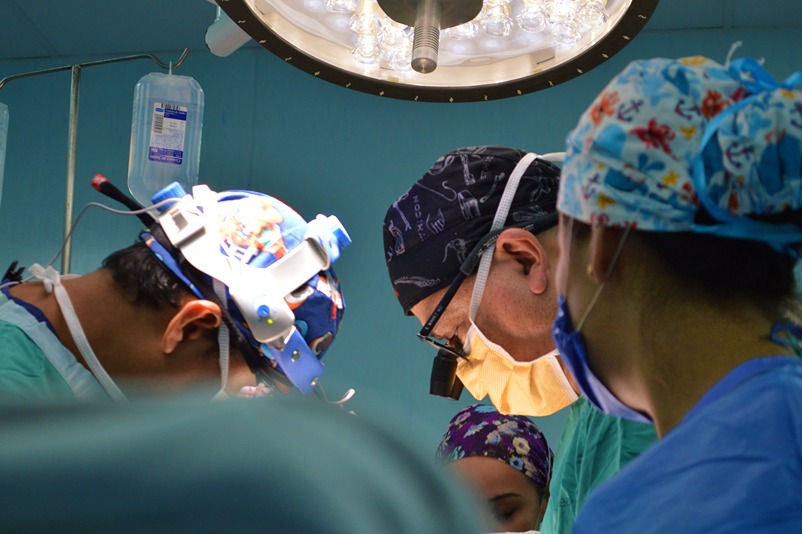
Que un cirujano se deje algo en el cuerpo parece algo que sólo se oye en los programas de noticias de investigación. Pero ocurre, y más a menudo de lo que probablemente piensa.
Si se ha sometido a una operación reciente, es crucial que conozca los posibles signos de advertencia de un objeto extraño. Es conveniente que conozca estos signos y busque tratamiento médico adicional antes de que se convierta en una afección potencialmente mortal.
El tipo de objetos que quedan en el cuerpo después de la cirugía puede variar mucho.
Objects left in the body after surgery, called retained surgical items (RSIs), include sponges, clamps, or instruments left unintentionally. These items can cause severe pain, infection, or internal damage. Detection often requires imaging, and removal typically needs additional surgery to prevent long-term complications.
If you suspect you have a foreign object left in your body after surgery, contact a skilled medical malpractice lawyer at Poulos & Coates today.
Principales conclusiones
Podemos ayudarle a recibir tratamiento y a reclamar una indemnización a las partes responsables. Siga leyendo para saber más sobre cómo reconocer los posibles síntomas de los objetos e instrumentos que quedan en los pacientes después de la cirugía.
- Recognize the Symptoms. If you experience severe pain, swelling, fever, or unexplained health declines after surgery, a retained surgical object could be the cause. Symptoms may appear immediately or develop over time.
- Seek Prompt Medical Attention. Left-behind surgical tools or sponges can lead to infections, organ damage, and life-threatening complications. Seeking prompt medical attention is crucial to avoid long-term harm.
- Legal Options for Victims. If a surgeon left a foreign object in your body, you may have a valid medical malpractice claim. A skilled attorney can help you pursue compensation for medical expenses, lost wages, and pain and suffering.
We are here to help you understand your options and how to move forward.
Señales de advertencia de los objetos que quedan en un cuerpo después de la cirugía
Foreign objects left in the body are often called retained surgical bodies (RSB) or unintended retained foreign objects (URFO). Depending on the circumstances, symptoms of a foreign object left in the body after surgery could appear immediately, weeks, months, or even years later.
Algunos objetos extraños pueden provocar la muerte, por lo que es fundamental saber qué hay que tener en cuenta después de una intervención quirúrgica. Los signos incluyen:
- Problemas para orinar;
- Estreñimiento;
- Heces sanguinolentas, negras o con aspecto de alquitrán;
- Sensibilidad o hinchazón cerca de la zona quirúrgica;
- Fiebre;
- Dolores de cabeza severos y recurrentes;
- Dolor intenso alrededor o cerca de la zona quirúrgica;
- Toser o vomitar sangre;
- Filtración cerca del sitio quirúrgico;
- Dolor intenso en la pierna;
- Dificultad con las funciones corporales básicas como comer, respirar y tragar;
- Pérdida de peso inexplicable;
- Ganglios linfáticos inflamados;
- Rayas cerca de la incisión;
- Adormecimiento de los pies o las manos;
- Olor desagradable procedente del lugar de la incisión;
- Dificultad para retener líquidos o alimentos, incluso si tiene hambre;
- Formación de abscesos o fístulas; y
- Un deterioro general de su salud.
Si tiene algún síntoma después de la operación, hable inmediatamente con un médico. Cuanto más espere, mayor será el riesgo de complicaciones.
Vea lo que dicen nuestros clientes sobre nuestros servicios:
Complications from Foreign Object Left in Body: What Can Go Wrong?
Leaving a foreign object in the body after surgery can have devastating consequences. In addition to pain and infection, these retained objects can cause bowel obstructions, organ perforation, abscesses, and sepsis—a life-threatening immune response. According to the National Institutes of Health (NIH), retained surgical items occur in approximately 1 out of every 5,500 to 7,000 surgeries in the United States, but experts believe the real number may be higher due to underreporting.
The complications from a foreign object left in body cases vary depending on the type and location of the object, but all require swift medical attention. If you suspect something is wrong, don’t delay in getting a second opinion or requesting imaging tests such as an X-ray, MRI, or CT scan.
¿Cuáles son los riesgos de dejar un instrumento quirúrgico dentro de un paciente?
Si un objeto extraño (como una esponja quirúrgica) queda involuntariamente en el interior del cuerpo de un paciente tras una intervención quirúrgica, puede provocar problemas a largo plazo. Estos objetos pueden desencadenar una inflamación aséptica o una exudación sin infección, causando dolor o molestias persistentes durante meses o años.
Quedan restos metálicos en el cuerpo tras una operación
Un objeto retenido, como un clip metálico que queda en el cuerpo tras una intervención quirúrgica, es una negligencia médica. Los objetos retenidos causan complicaciones graves, como infecciones, daños en órganos y dolor crónico.
¿Listo para su consulta gratuita?
Retained Foreign Object and New Mexico Medical Malpractice Laws
Under New Mexico law, you generally have three years from the date of the alleged malpractice to file a lawsuit. However, in cases involving a foreign object left in the body after surgery, the clock may not start ticking until the patient discovers—or reasonably should have discovered—the issue. This exception is known as the “discovery rule.”
Because each case is different, consulting with a medical malpractice attorney who understands how New Mexico applies the discovery rule in retained foreign object cases is critical.
¿Puede presentar una demanda contra los responsables?
Sí, pero presentar una demanda por un objeto extraño que queda en el cuerpo después de una cirugía es complicado. Usted necesita un abogado experto de su lado que pueda guiarle a través del proceso y proteger sus derechos. Tiene derecho a reclamar una indemnización por sus lesiones y otros daños. Si su caso tiene éxito, puede recibir una compensación por lo siguiente:
- Sus gastos médicos;
- Costes médicos previstos en el futuro;
- Pérdida de salarios y de capacidad de ganancia;
- Dolor y sufrimiento; y
- Angustia mental.
Su abogado le ayudará a calcular el valor potencial de su caso y le hará saber qué daños y perjuicios puede recibir.
Why It’s So Important to Act Quickly
Delaying action when you suspect a foreign object left in the body after surgery can significantly increase your health risks. The longer a retained item stays inside your body, the more likely it is to cause irreversible damage—especially if it leads to infection, internal bleeding, or damage to nearby organs.
Taking action quickly helps preserve evidence. If you later pursue a medical malpractice case, documentation such as scans, treatment notes, and communication with doctors can strengthen your claim. A trusted legal team like Poulos & Coates can help ensure that every step you take supports both your health and your potential case.
What to Do If You Suspect a Foreign Object Left in the Body After Surgery – Contact a Las Cruces Medical Malpractice Lawyer Today
Trust your instincts if you’re experiencing unusual symptoms or ongoing pain after a procedure. Seek immediate medical evaluation. Then, speak with the legal team at Poulos & Coates to explore your options. You deserve answers and justice.
Es esencial emprender acciones legales por la retención de un cuerpo quirúrgico. Hay que hacer que las partes responsables rindan cuentas para garantizar que nadie más salga perjudicado por su negligencia.
You likely need additional surgery to have the foreign body removed too. The surgical malpractice lawyers at Poulos & Coates specializes in medical malpractice lawsuits.
Tenemos la experiencia legal y los recursos para ayudarle a obtener la máxima compensación contra los acusados. Póngase en contacto con nuestra oficina de Las Cruces hoy para programar una consulta inicial para aprender más acerca de cómo podemos ayudarle.
Dónde encontrar nuestra oficina de Las Cruces, NM:

Greig Coates, M.D., J.D.
Durante los últimos treinta años, el Dr. Coates ha representado con éxito a los demandantes en todos los tipos imaginables de demandas por negligencia médica, desde casos de un solo médico hasta complejos litigios que implican a más de una docena de médicos y varios hospitales. El Dr. Coates ha tomado varios miles de declaraciones de médicos a lo largo de su carrera, incluyendo todas las especialidades y subespecialidades médicas conocidas, y casi el mismo número de declaraciones de personal hospitalario, como enfermeras, técnicos y administradores. Ha llevado varias docenas de casos a veredictos exitosos.
Valora este post

 Cargando...