
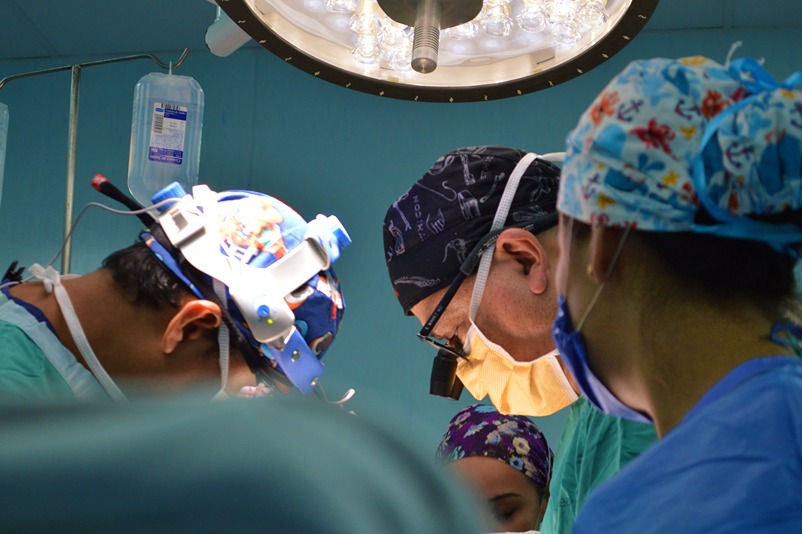
That a surgeon would leave something in your body sounds like something you hear only on investigative news shows. But it happens—and more often than you probably think.
If you’ve undergone recent surgery, learning more about potential warning signs of a foreign object is crucial. You want to know these signs and seek additional medical treatment before it becomes a life-threatening condition.
The type of objects left in the body after surgery can vary widely.
Objects left in the body after surgery, called retained surgical items (RSIs), are serious medical errors. Common RSIs include sponges, clamps, or instrument fragments. These can cause infection, internal damage, or chronic pain. Prompt diagnosis, removal, and legal consultation are critical if an RSI is suspected.
If you suspect you have a foreign object left in your body after surgery, contact a skilled medical malpractice lawyer at Poulos & Cavazos today.
Key Takeaways
- A foreign object left in the body after surgery may cause persistent pain, swelling, infection, fever, drainage, or a surgical wound that won’t heal.
- Common retained surgical items include sponges, gauze, surgical towels, clamps, needles, or fragments of medical devices.
- Warning signs can appear days, weeks, or even months later—especially if symptoms are dismissed as “normal recovery.”
- Poulos & Coates can review medical records and imaging to determine whether a retained object was preventable and whether your case may qualify in New Mexico.
Warning Signs of Objects Left in a Body After Surgery
Foreign objects left in the body are often called retained surgical bodies (RSB) or unintended retained foreign objects (URFO). Depending on the circumstances, symptoms of a foreign object left in the body after surgery could appear immediately, weeks, months, or even years later.
There’s a risk of death with some foreign objects, so it’s crucial to understand what to look for after surgery. Signs include:
- Trouble urinating;
- Constipation;
- Bloody, black, or tar-like stools;
- Tenderness or swelling near the surgical site;
- Fever;
- Severe and recurring headaches;
- Severe pain around or near the surgical site;
- Coughing up or vomiting blood;
- Seepage near the surgical site;
- Severe pain in your leg;
- Difficulty with basic bodily functions such as eating, breathing, and swallowing;
- Unexplained weight loss;
- Swollen lymph nodes;
- Streaks near the incision;
- Numbness in the feet or hands;
- Unpleasant odor coming from the incision site;
- Difficulty keeping liquids or food down, even if you’re hungry;
- Abscess or fistula forming; and
- An overall decline in your health.
If you have any symptoms following surgery, please immediately speak with a doctor. The longer you wait, the higher the risk of complications.
See what our clients have to say about our services:
Complications from Foreign Object Left in Body: What Can Go Wrong?
Leaving a foreign object in the body after surgery can have devastating consequences. In addition to pain and infection, these retained objects can cause bowel obstructions, organ perforation, abscesses, and sepsis—a life-threatening immune response. According to the National Institutes of Health (NIH), retained surgical items occur in approximately 1 out of every 5,500 to 7,000 surgeries in the United States, but experts believe the real number may be higher due to underreporting.
The complications from a foreign object left in body cases vary depending on the type and location of the object, but all require swift medical attention. If you suspect something is wrong, don’t delay in getting a second opinion or requesting imaging tests such as an X-ray, MRI, or CT scan.
What Are the Risks of a Surgical Instrument Left Inside a Patient?
Post-surgery, if a foreign object (like a surgical sponge) is unintentionally left inside a patient’s body, it can lead to long-term issues. These objects might trigger aseptic inflammation or exudation without an infection, causing persistent pain or discomfort over months or years.
Metal Left in Body After Surgery
A retained object, such as a metal clip left in the body after surgery, is medical malpractice. Retained objects cause serious complications, including infection, organ damage, and chronic pain.
Ready For Your No-Charge Consultation?
Retained Foreign Object and New Mexico Medical Malpractice Laws
Under New Mexico law, you generally have three years from the date of the alleged malpractice to file a lawsuit. However, in cases involving a foreign object left in the body after surgery, the clock may not start ticking until the patient discovers—or reasonably should have discovered—the issue. This exception is known as the “discovery rule.”
Because each case is different, consulting with a medical malpractice attorney who understands how New Mexico applies the discovery rule in retained foreign object cases is critical.
Can You File a Lawsuit Against the Responsible Parties?
Yes, but filing a foreign object left in the body after a surgery lawsuit is complicated. You need a skilled lawyer on your side who can walk you through the process and protect your rights. You have the right to pursue compensation for your injuries and other damages. If your case is successful, you can receive compensation for the following:
- Your medical expenses;
- Future expected medical costs;
- Lost wages and loss of earning capacity;
- Pain and suffering; and
- Mental anguish.
Your attorney will help you calculate your potential case value and let you know what damages you’re eligible to receive.
Why It’s So Important to Act Quickly
Delaying action when you suspect a foreign object left in the body after surgery can significantly increase your health risks. The longer a retained item stays inside your body, the more likely it is to cause irreversible damage—especially if it leads to infection, internal bleeding, or damage to nearby organs.
Taking action quickly helps preserve evidence. If you later pursue a medical malpractice case, documentation such as scans, treatment notes, and communication with doctors can strengthen your claim. A trusted legal team like Poulos & Cavazos can help ensure that every step you take supports both your health and your potential case.
What to Do If You Suspect a Foreign Object Left in the Body After Surgery – Contact a Las Cruces Medical Malpractice Lawyer Today
Trust your instincts if you’re experiencing unusual symptoms or ongoing pain after a procedure. Seek immediate medical evaluation. Then, speak with the legal team at Poulos & Cavazos to explore your options. You deserve answers and justice.
Pursuing legal action for a retained surgical body is essential. You need to hold the responsible parties accountable to ensure no one else is harmed by their negligence.
You likely need additional surgery to have the foreign body removed too. The surgical malpractice lawyers at Poulos & Cavazos primarily focuses on medical malpractice lawsuits.
We have the legal expertise and resources to help you pursue maximum compensation against the defendants. Contact our Las Cruces office today to schedule an initial consultation to learn more about how we can assist you.
Foreign Object Left in Body After Surgery FAQs in New Mexico
1. What does it mean if a foreign object was left in the body after surgery?
2. What are the warning signs a surgeon left something inside your body?
3. How long after surgery can symptoms of a retained surgical sponge or tool appear?
4. What complications can a foreign object left in the body cause?
5. How is a retained surgical item diagnosed?
6. Is leaving a foreign object inside a patient always malpractice?
7. Who may be responsible—the surgeon, the hospital, or the surgical team?
8. What should I do if I suspect a foreign object was left in my body?
9. What compensation may be available for a retained surgical item case in New Mexico?
10. How can Poulos & Coates help with a foreign object left in the body after surgery claim?
Where to find our Las Cruces, NM office:

Victor Poulos, JD
For more than two decades, Victor Poulos has devoted his practice exclusively to representing patients and families harmed by medical negligence. He has handled complex medical malpractice cases involving hospitals, surgeons, anesthesiologists, and other healthcare providers, and has taken hundreds of depositions of physicians, nurses, and hospital staff across nearly every medical specialty. Mr. Poulos has successfully tried high-stakes malpractice cases to verdict and is known for his meticulous case preparation and relentless advocacy on behalf of injured patients.
Rate this Post

 Loading...