
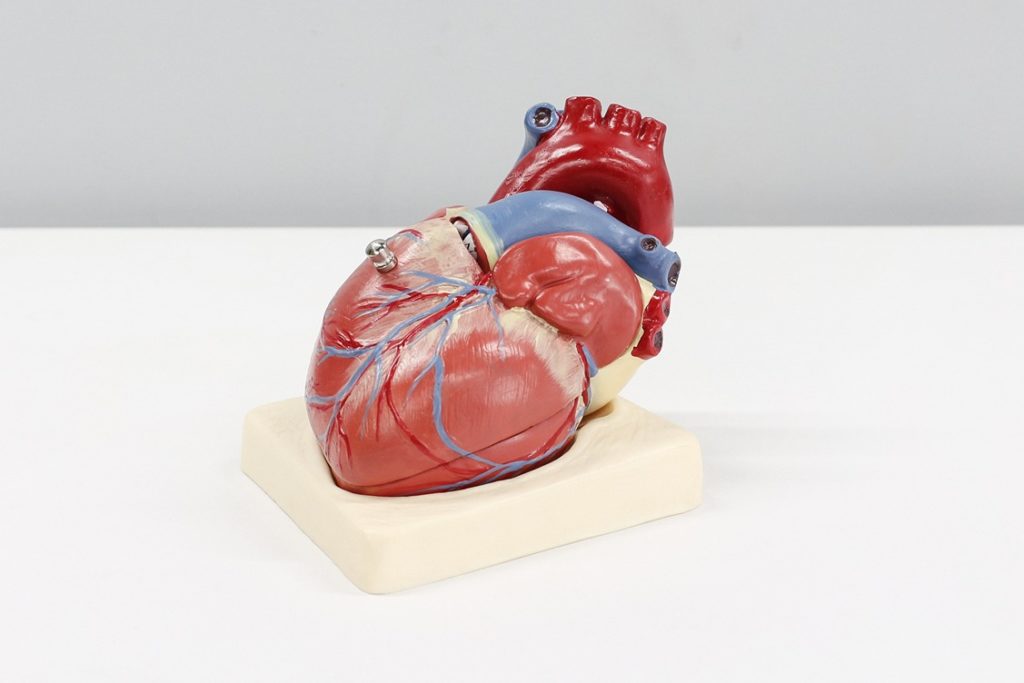
Heart attacks and other heart conditions are the leading cause of death in the United States. Heart conditions are responsible for up to one in five deaths every year.
On average, someone in the United States has a heart attack every forty seconds. Adults aged 65 and older are the most susceptible to heart attacks.
With heart attacks being so common, medical professionals should know what to look for to get patients the help they need immediately. Unfortunately, this is not always the case, and as a result, patients can suffer devastating consequences because a healthcare provider failed to diagnose a heart attack.
A heart attack misdiagnosis can lead to life-changing injuries and even death. To make matters worse, doctors can prevent many heart attack misdiagnoses by following the proper standard of care.
If you believe you or a loved one has experienced a heart attack misdiagnosis, please contact the medical malpractice lawyers at Poulos & Cavazos, LLP today.
Key Takeaways
- A delayed heart attack diagnosis can lead to permanent heart damage, disability, or death.
- Failing to recognize heart attack symptoms or order proper tests may be a breach of the medical standard of care.
- Victims of heart attack misdiagnosis may recover damages for medical costs, lost wages, and pain.
- Heart attack malpractice claims require legal and medical expertise to prove fault and harm.
Recognizing the Symptoms of a Heart Attack
Timely diagnosis often depends on whether symptoms are recognized and taken seriously by both patients and medical providers. Knowing the full range of heart attack symptoms is essential, not only for your health, but also for understanding when a provider may have failed in their duty of care.
While chest pain is a hallmark sign, it’s not the only one, and not everyone experiences it. Heart attack symptoms may include:
- Pressure, tightness, or burning in the chest;
- Pain that radiates to the arms, jaw, back, or neck;
- Shortness of breath, even without chest pain;
- Cold sweats or lightheadedness;
- Nausea or vomiting;
- Sudden fatigue or weakness; and
- A feeling of impending doom or anxiety.
Women, in particular, are more likely to experience “silent” symptoms like fatigue, dizziness, or back pain. These can be easy to dismiss, by the patient or the provider, but are just as serious.
When Symptoms Are Missed or Ignored
In some cases, patients describe their symptoms clearly, but doctors fail to connect them to a potential cardiac event. In other cases, providers may fail to ask the right follow-up questions or dismiss symptoms based on the patient’s age, gender, or perceived health status. Regardless of the reason, when a patient suffers harm due to a missed diagnosis, they may have legal grounds for a malpractice claim.
Causes of Heart Attack Misdiagnosis
Despite the prevalence of heart attacks in the U.S., misdiagnoses still occur far too often. In many cases, the error stems from providers failing to follow established diagnostic protocols or misinterpreting a patient’s symptoms. Understanding how a provider failed to diagnose a heart attack is important for anyone evaluating whether they may have a legal claim.
Some of the most common causes include:
- Atypical symptom presentation. Not all heart attacks cause crushing chest pain. Women, older adults, and people with diabetes often experience symptoms like nausea, shortness of breath, or back pain. When these symptoms are subtle or vague, providers may mistakenly attribute them to anxiety, indigestion, or fatigue.
- Failure to order appropriate tests. Standard diagnostic tools, such as an EKG or cardiac enzyme tests, can help detect a heart attack in progress. But if the provider fails to order these tests or delays ordering them, critical time is lost.
- Misinterpretation of test results. Even when diagnostic tests are ordered, doctors may misread EKG findings or miss early signs of cardiac damage in lab results.
- Overcrowded or understaffed emergency departments. In fast-paced ER environments, patients may not receive the thorough evaluation they need, especially if their symptoms don’t appear urgent.
- Lack of specialist consultation. Failing to involve a cardiologist when cardiac concerns are raised can result in a missed diagnosis or delayed intervention.
When these missteps occur, patients can suffer lasting harm that could have been prevented with proper, timely care.
Consequences of a Heart Attack Misdiagnosis
The misdiagnosed heart attack can lead to dire consequences. Common injuries that stem from a medical professional’s failure to diagnose a heart attack properly include:
- Permanent brain damage,
- Muscle damage,
- Scarring of the heart,
- Heart failure,
- Heart valve problems,
- Depression and anxiety, and
- Death.
These injuries can lead to high medical bills, missed time at work, and a severely reduced quality of life for the victim. A proper heart attack diagnosis can easily prevent many of the consequences.
Can I Sue My Doctor for Misdiagnosis of a Heart Attack?
In many cases, the answer to this question is yes. Doctors and other medical professionals must exercise a strict standard of care when dealing with patients. If they do not live up to this standard of care, then you can hold them liable for any resulting damages.
Often, when a health care provider fails to make a timely and accurate heart attack diagnosis, they have not lived up to their standard of care. In these cases, you should be able to recover damages for any injuries you suffer.
Doctors might also be liable if the misdiagnosis causes the death of an immediate family member.
Legal Steps to Take After a Heart Attack Misdiagnosis
If you suspect that a delayed or missed heart attack diagnosis caused you or your loved one harm, taking the proper steps early on can strengthen your potential legal case.
1. Request Your Medical Records
Start by obtaining copies of all records related to your emergency visit, hospital stay, or any outpatient care you received before or after the misdiagnosis. That includes:
- EKGs and test results,
- Doctor and nurse notes,
- Emergency department records, and
- Follow-up care documentation.
These records are critical to evaluating whether proper testing and care were provided.
2. Write Down What Happened
Memories fade quickly. As soon as you’re able, document the timeline of events, including:
- When symptoms began,
- Who you spoke with,
- What you told them,
- What tests or treatments were (or weren’t) provided, and
- How your condition progressed.
These notes can help fill in gaps that medical records don’t always capture.
3. Talk to a Medical Malpractice Lawyer
Not every poor outcome is grounds for a lawsuit. But if a doctor failed to follow basic standards of care, such as ordering tests for a patient with known risk factors, there may be a strong case for malpractice. At Poulos & Cavazos, we work closely with medical professionals to help evaluate the specifics of your situation and help determine if malpractice occurred.
4. Avoid Speaking to Insurance Companies Without Counsel
After a serious medical error, you may be contacted by hospital representatives or insurance adjusters. Avoid discussing your case or signing anything until you’ve consulted a qualified attorney. You could unintentionally harm your legal claim.
5. Act Quickly
New Mexico has a three-year statute of limitations on medical malpractice claims. If you wait too long, you may lose your right to file a lawsuit, even if the harm is clear. Contact a firm like Poulos & Cavazos early so that your case is reviewed within the appropriate time window.
Heart Attack Misdiagnosis Lawsuit Settlement Amounts
The amount of compensation you can recover after a heart attack misdiagnosis depends on how severe your injury is and how it affects your life. Common recoverable damages after a heart attack misdiagnosis include:
- Long-term care,
- Disability,
- Medical bills,
- Loss of wages,
- Physical rehabilitation,
- Loss of enjoyment,
- Pain and suffering,
- Burial expenses, and
- Loss of companionship.
A majority of medical malpractice lawsuits end in some sort of settlement. Insurance payouts for misdiagnosed heart attacks can range from a few thousand to multiple millions of dollars.
The reason for the broad range is that the level of culpability and severity of injury differ from case to case.
A Las Cruces, NM Medical Malpractice Lawyer at Poulos & Cavazos Can Help
If you or a loved one has suffered from a heart attack misdiagnosis, we can help. Poulos & Cavazos, LLP has a proven track record of delivering for our clients, and we care deeply for each and every client. Contact us online or call us at 575-523-4444 today to learn more about how we can help with your claim.

Victor Poulos, JD
For more than two decades, Victor Poulos has devoted his practice exclusively to representing patients and families harmed by medical negligence. He has handled complex medical malpractice cases involving hospitals, surgeons, anesthesiologists, and other healthcare providers, and has taken hundreds of depositions of physicians, nurses, and hospital staff across nearly every medical specialty. Mr. Poulos has successfully tried high-stakes malpractice cases to verdict and is known for his meticulous case preparation and relentless advocacy on behalf of injured patients.
Rate this Post

 Loading...